Next auction starts Friday, 02 October. Ready to sell your rum? Sell with us in our next auction
rgba(1,40,1,1)
rgba(255,255,255,1)

68,000+ lots sold - £15m+ in rum enjoyed worldwide

Offices in Scotland, London & Netherlands

Rum lovers in 75+ countries
When most people think of rum, a handful of regions tend to dominate the conversation: Jamaica, Barbados, Martinique. But beyond these well-known regions lies a wider world of rum, shaped by local agriculture, climate, and tradition.
From Indian Ocean islands to West African coastlines, these lesser-known regions are producing distinctive spirits that reward curious drinkers willing to look beyond the familiar. Here are five hidden rum regions worth exploring.
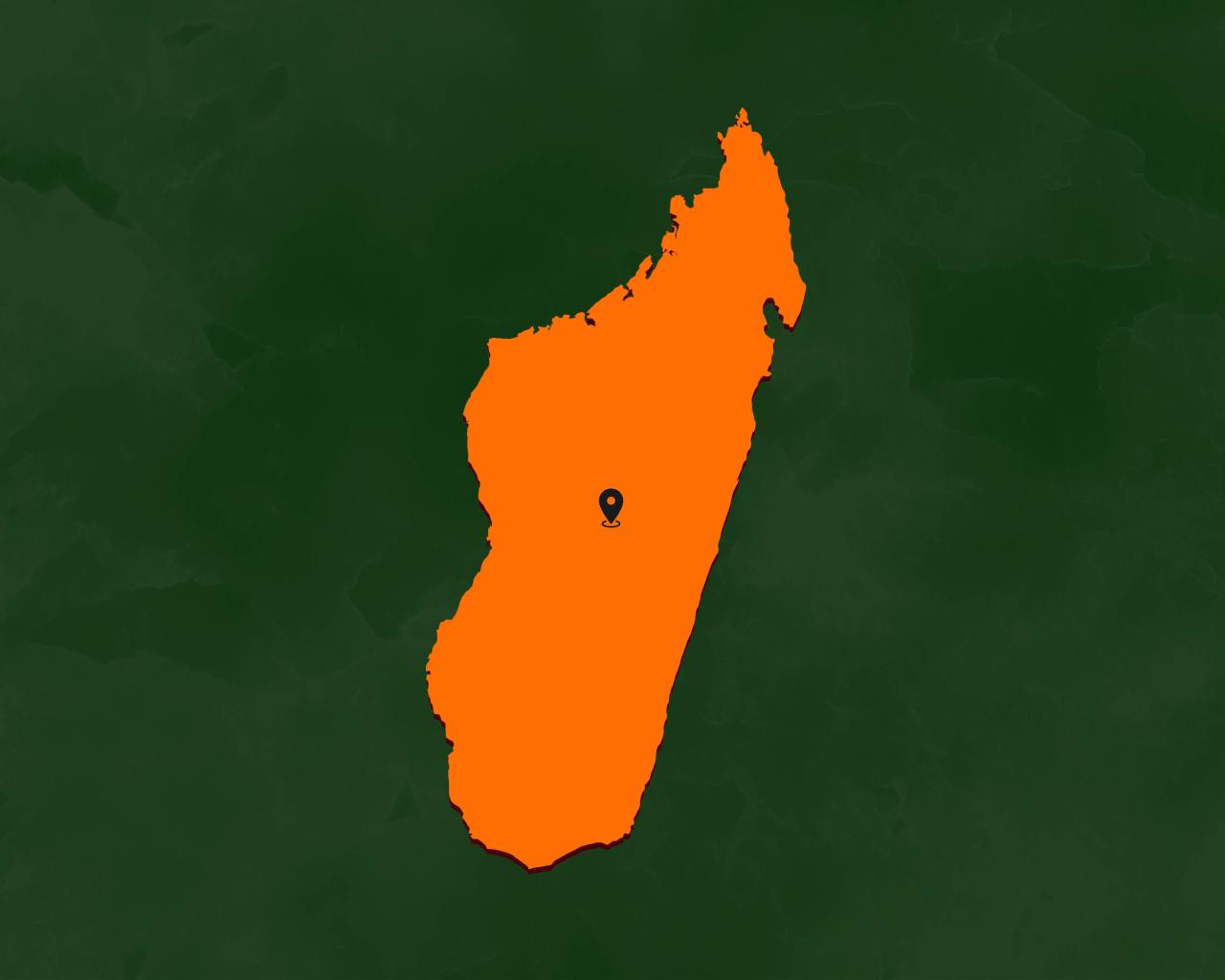
Rum production in Madagascar developed outside the traditional Caribbean rum trade. While sugarcane has long been grown on the island, rum here evolved through local agriculture and small-scale production, rather than export-driven industry.
Alongside commercial rum, traditional cane spirits such as toaka gasy (a locally produced, often unlicensed high-proof spirit) remain part of everyday life in rural communities.
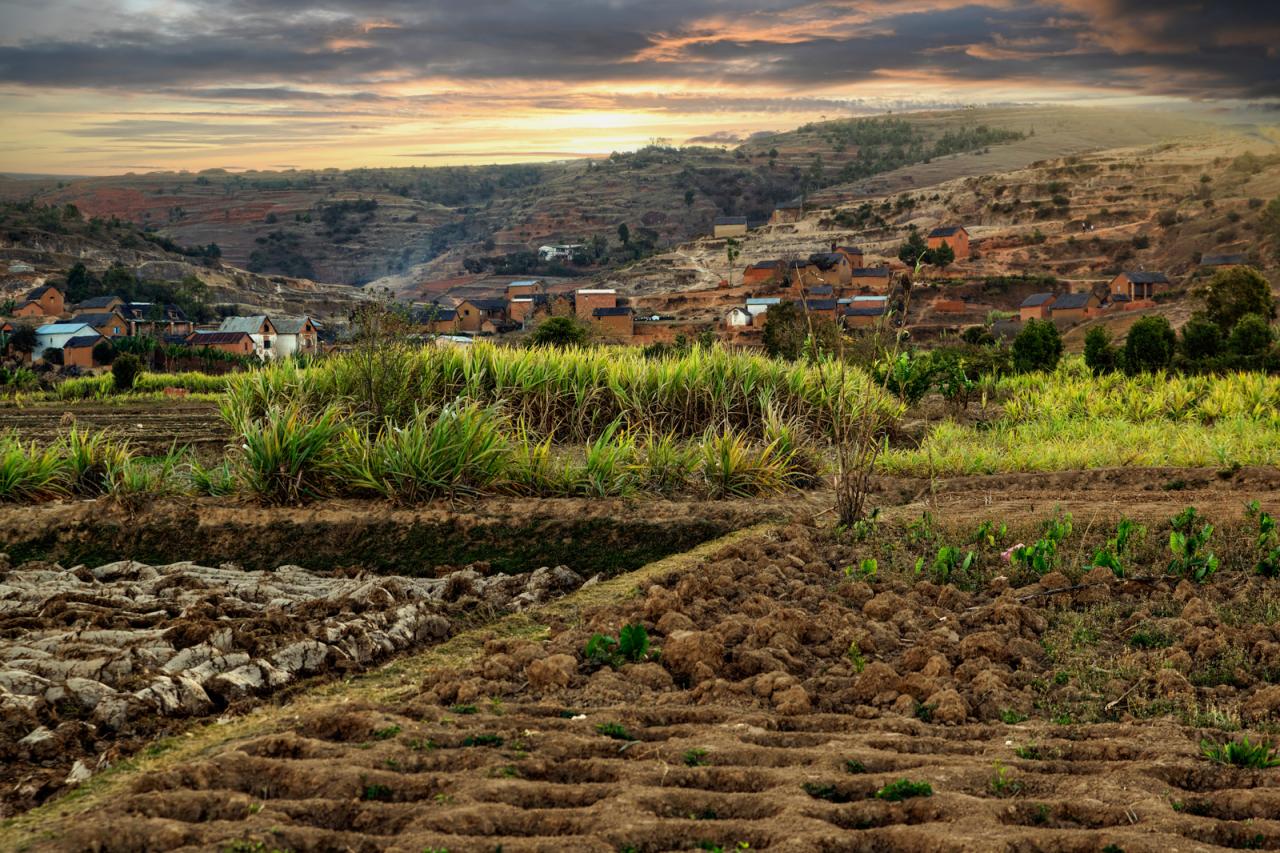
Most Madagascan rums are made from fresh sugarcane juice, placing them stylistically closer to rhum agricole. The island’s volcanic soils, humid climate, and biodiversity play a defining role, with sugarcane often grown among aromatic plants such as vanilla, ylang-ylang, clove, and citrus.
Producers like Dzama, based on Nosy Be Island, have helped bring international attention to the region. Their use of mixed cask ageing, including ex-Scotch whisky barrels, adds further complexity, resulting in rums that are floral, spiced, and difficult to replicate elsewhere.
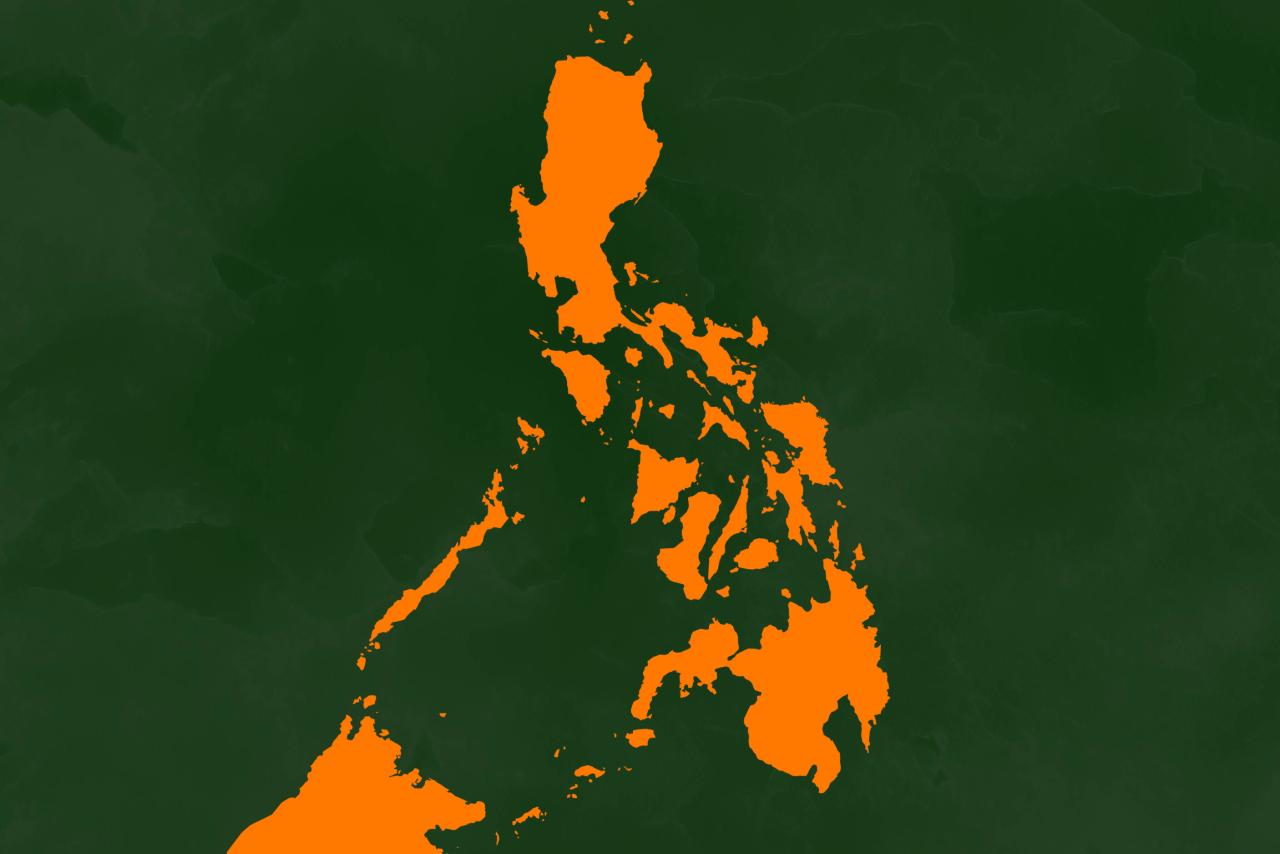
The Philippines is one of the world’s largest producers of sugarcane, making it a natural centre for rum production. Sugar cultivation has been central to the country’s economy for centuries, particularly on islands such as Negros.
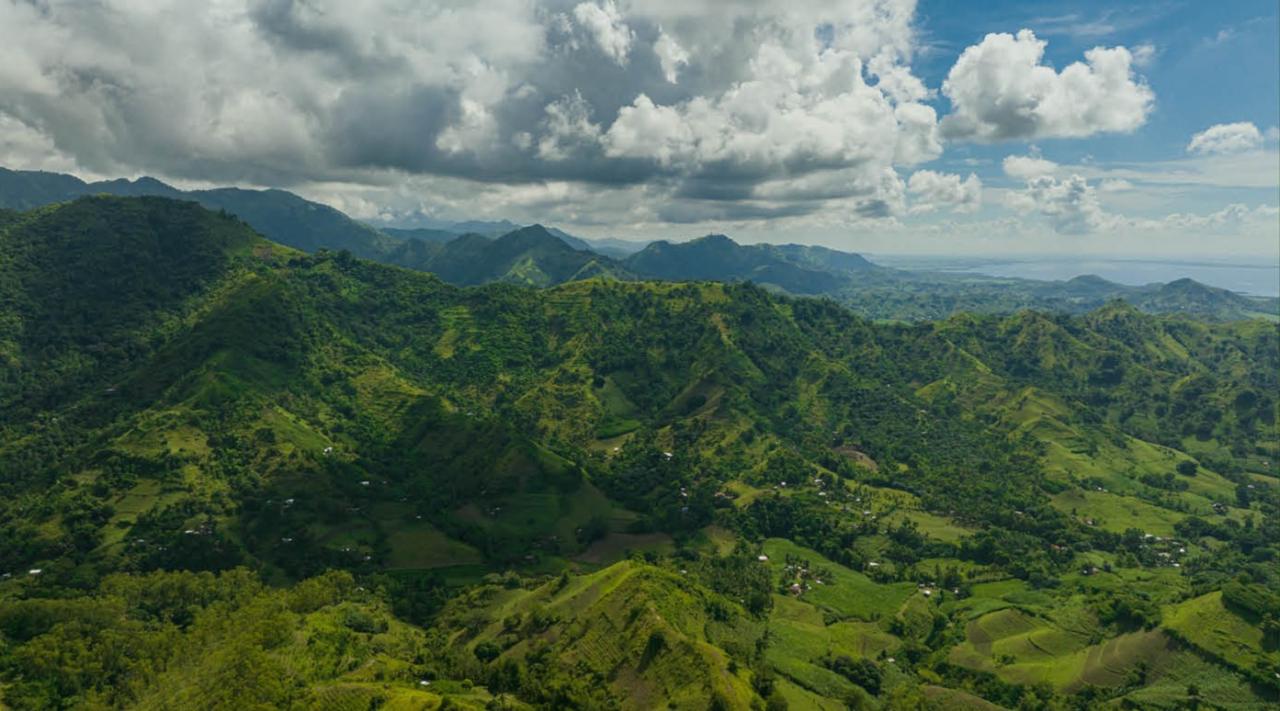
Rum production dates back to the Spanish colonial period, when molasses from sugar refining became widely available. Over time, rum developed alongside other sugarcane-based drinks, including basi, a traditional fermented cane wine.
Today, most Philippine rums are molasses-based and aged in ex-bourbon American oak casks. The country’s warm, humid climate accelerates maturation, often producing smooth, rounded spirits at a relatively young age.
While producers such as Tanduay have long operated at scale, there has been a growing focus on premium and aged expressions in recent years, bringing increased international attention to the category. Some well-regarded producers such as Don Papa command hammer prices as high as £1,000 at auction.
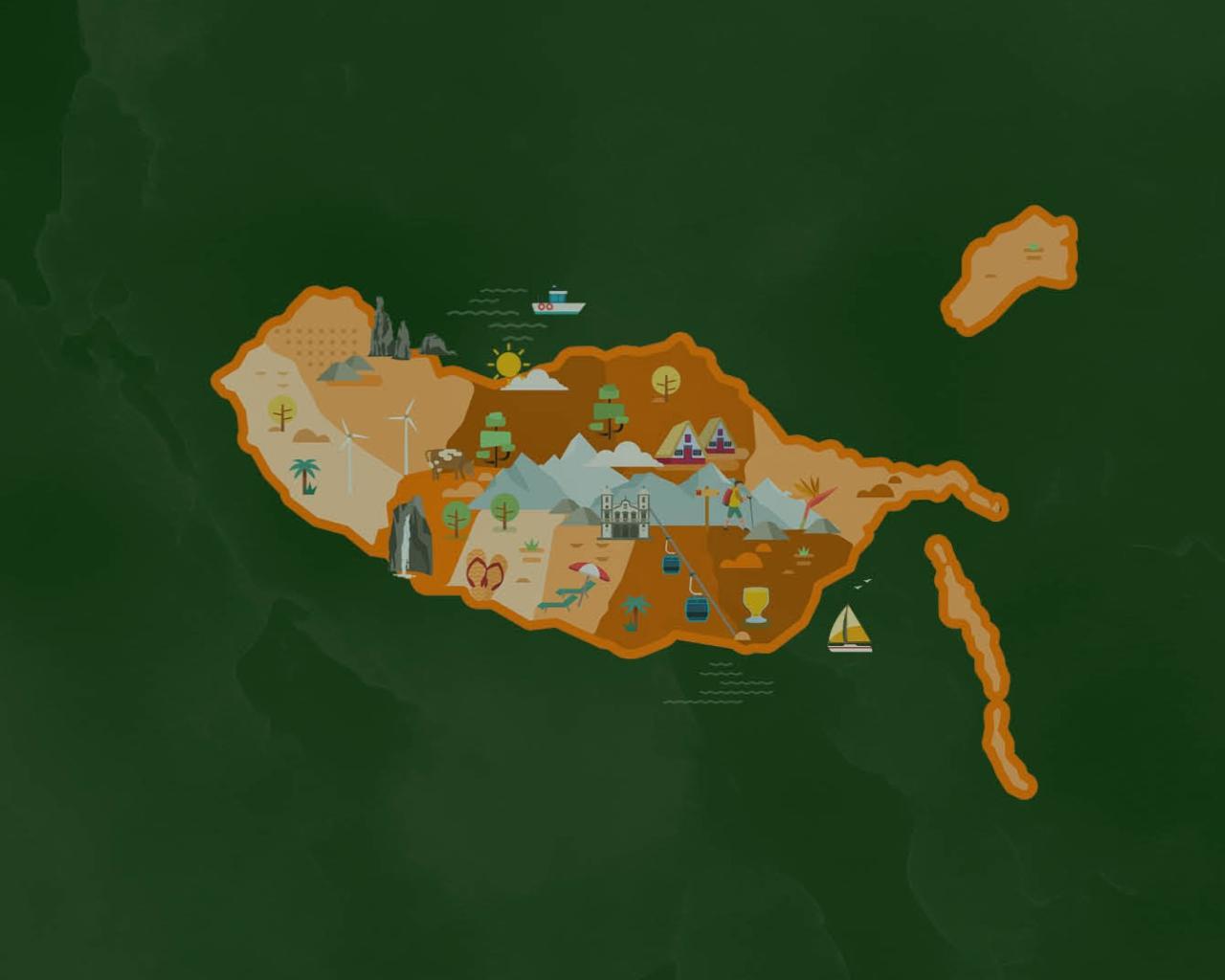
Madeira offers a distinctive take on rum through its Agrícola da Madeira category. Produced from fresh sugarcane juice rather than molasses, these rums are typically pot distilled, an approach that sets them apart even from other agricole styles.
Sugarcane was introduced to the island in the early 15th century, and its cultivation has adapted to Madeira’s steep, volcanic terrain. Terraced fields and an intricate network of levadas (gravity-fed irrigation channels) continue to define the landscape and support production.
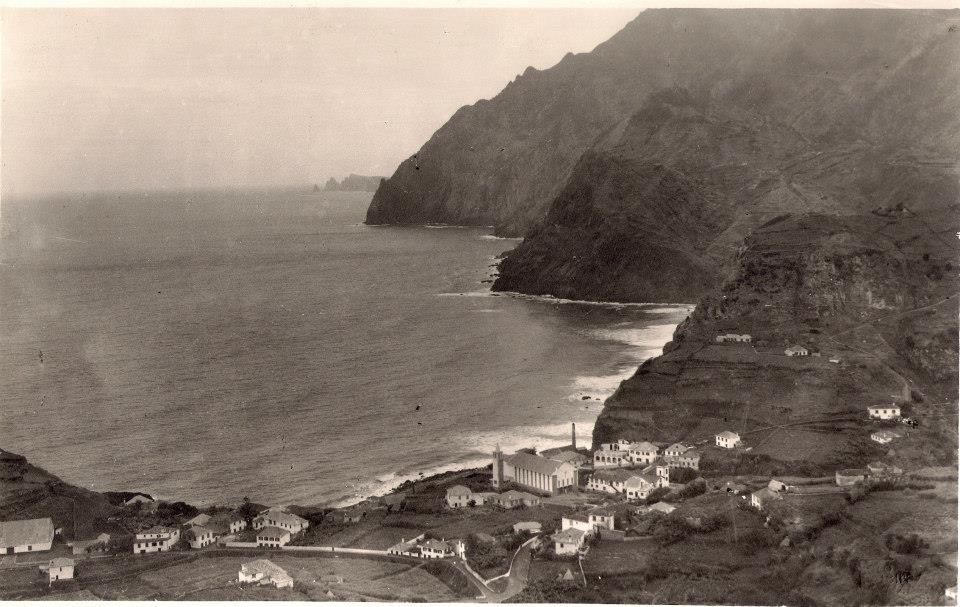
Ageing often takes place in ex-wine casks, contributing additional layers of complexity. The resulting rums tend to show a balance of grassy, fruity, and spicy notes, shaped by both terroir and maturation.
Today, producers such as Engenhos do Norte and Engenho da Calheta continue to preserve these traditions, producing rum in relatively small quantities.
In Cape Verde, rum takes the form of Grogue, a traditional spirit with deep roots in the islands’ history. Sugarcane was introduced during Portuguese settlement in the 15th century, and distillation followed soon after.
Unlike many global rum styles, Grogue is typically made from fresh sugarcane juice and produced on a small, artisanal scale. It is often pot distilled and either unaged or only lightly rested, resulting in a bold, aromatic spirit that reflects its origin.
Production is especially concentrated on the island of Santo Antão, where steep terrain and fertile soils favour sugarcane cultivation. Traditional methods remain central, with many producers maintaining hands-on, low-intervention approaches that preserve the character of the spirit.
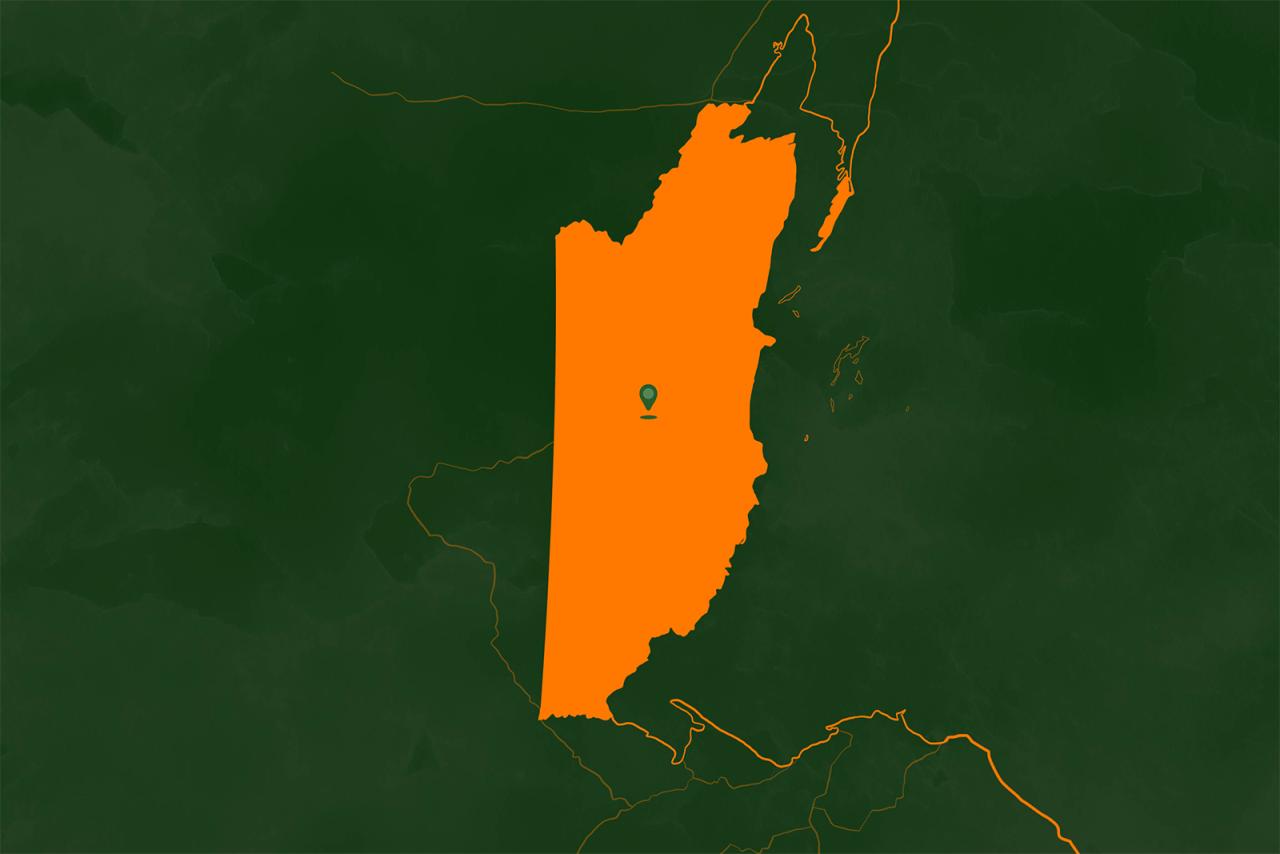
Belize’s tropical climate has long supported sugarcane cultivation, forming the foundation of its rum industry. During the colonial period, when the country was known as British Honduras, sugar production created a steady supply of molasses for distillation.
Over time, Belizean producers have combined traditional and modern techniques, using both pot and column stills to create a range of rum styles.
Many Belizean rums are aged in charred oak barrels, developing flavours of caramel, vanilla, tropical fruit, and spice. In recent years, the category has gained increasing recognition among enthusiasts, with both established producers and newer distilleries contributing to its growing reputation.
Exploring lesser-known rum regions offers a different perspective on the category. Without the constraints of established styles or expectations, these producers often place greater emphasis on local ingredients, environment, and innovation.
For collectors and enthusiasts alike, these regions present an opportunity to discover bottles that are not only distinctive, but also reflective of place in a way that more established categories sometimes are not.
Explore rare and unusual rums from around the world on Rum Auctioneer.
Discover and bid on unique, rare and collectible rums in our online auctions each month.
Our global rum auctions give your bottles the attention they deserve. Get started with a free valuation today.