Next auction starts Friday, 30 October. Ready to sell your rum? Sell with us in our next auction
rgba(1,40,1,1)
rgba(255,255,255,1)

68,000+ lots sold - £15m+ in rum enjoyed worldwide

Offices in Scotland, London & Netherlands

Rum lovers in 75+ countries
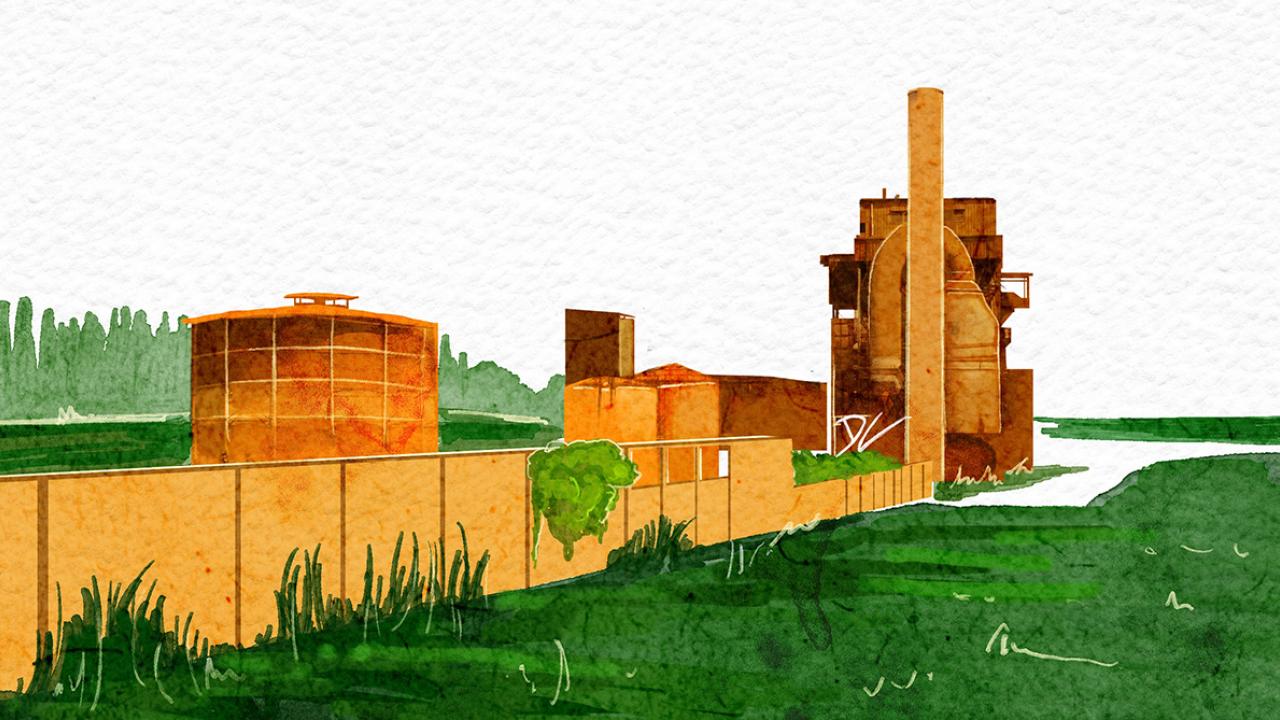
For more than 275 years, Appleton Estate has been making rum in the heart of Jamaica's Nassau Valley. Today, Appleton Estate is one of the world's best-known Jamaican rum producers, but its history stretches back through centuries of Jamaican sugar and rum production.
Appleton Estate's roots can be traced back to Jamaica's colonial era, with the estate situated in the fertile Nassau Valley in the south of the island. The area is surrounded by limestone hills and has long been associated with sugar cane cultivation and rum production.
The first documented reference to rum production at Appleton Estate dates to 1749, making it one of the oldest continuously operating rum-producing estates in Jamaica.
Its location remains central to the character of Appleton's rums. Sugar cane is grown in Jamaica, while the estate uses naturally filtered water from the limestone landscape surrounding the Nassau Valley. The combination of local ingredients, Jamaica's tropical climate and traditional distillation methods has helped establish a distinctive house style.
Appleton is also unusual in the world of rum because its rums are produced at a single estate. Rather than simply sourcing finished rum from different distilleries, Appleton Estate has historically controlled much of the process from sugar cane and molasses through fermentation, distillation, maturation and blending.
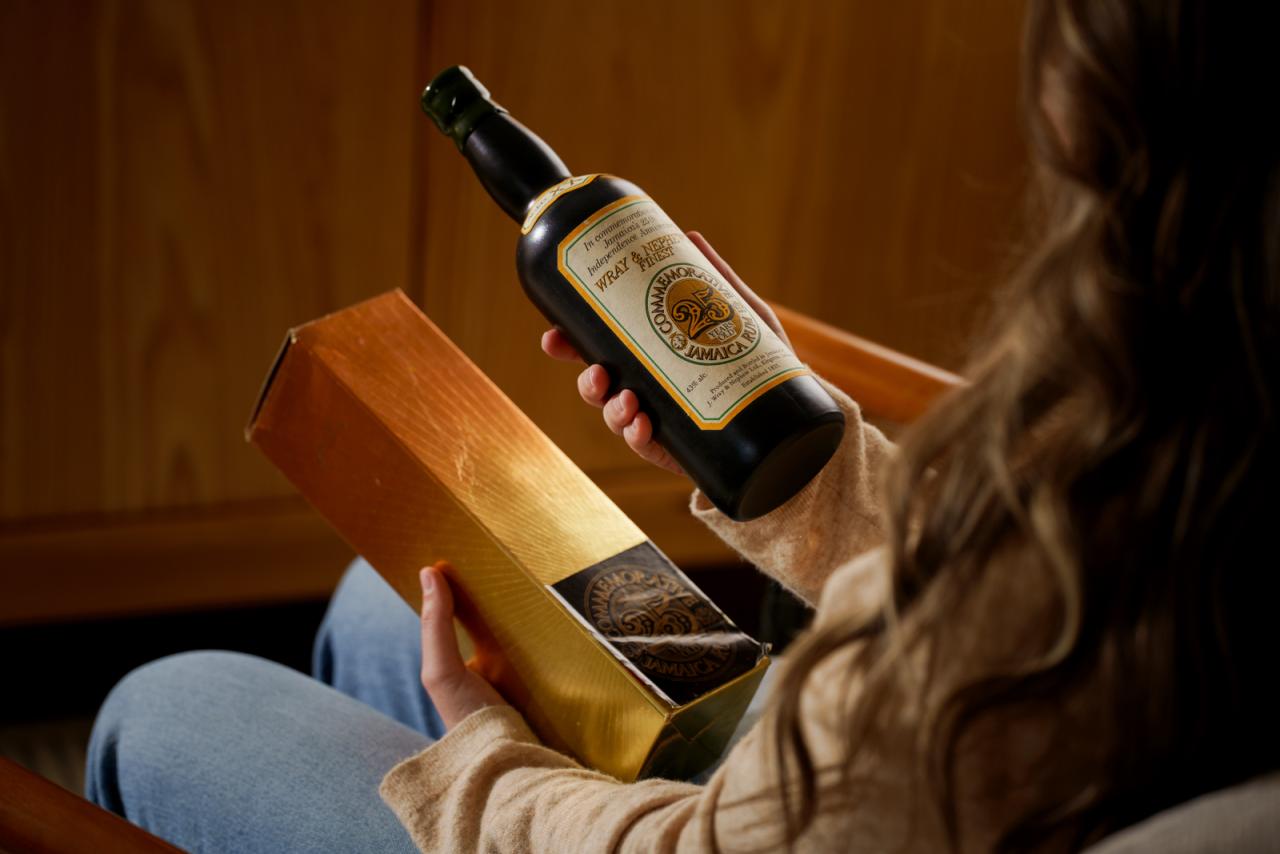
Appleton Estate's story is closely linked with another of Jamaica's most important names in rum: J. Wray & Nephew.
Founded in Kingston in 1825, J. Wray & Nephew became one of Jamaica's leading rum producers and merchants. In the early 20th century, the company acquired Appleton Estate, bringing together the estate's long history of rum production with one of Jamaica's most significant rum businesses.
That connection remains important when looking at historic Appleton bottles. Older releases may carry the J. Wray & Nephew name prominently on the label, reflecting the corporate and production history behind Appleton Estate. For collectors, these labels can therefore provide useful clues about the era in which a bottle was produced.
To understand Appleton, it helps to understand Jamaican rum more broadly.
Jamaica is particularly famous for full-bodied rums produced using traditional pot stills, which can create intensely aromatic and characterful spirits. Appleton Estate has historically used both pot still and column still distillation, giving its blenders a broad range of styles and flavours to work with.
The distillery's use of different stills, fermentation methods and maturation periods allows its rum makers to create a wide spectrum of flavour profiles.
Another defining characteristic is Jamaica's tropical climate.
Rum aged in Jamaica matures considerably faster than spirit aged in cooler climates. Heat encourages interaction between the spirit and oak, while evaporation – often referred to as the "angel's share" – can be substantial.
This means that a bottle labelled with a significant age statement represents more than simply time spent in a barrel. It represents years of tropical maturation in Jamaica, with the resulting concentration and character that can bring.
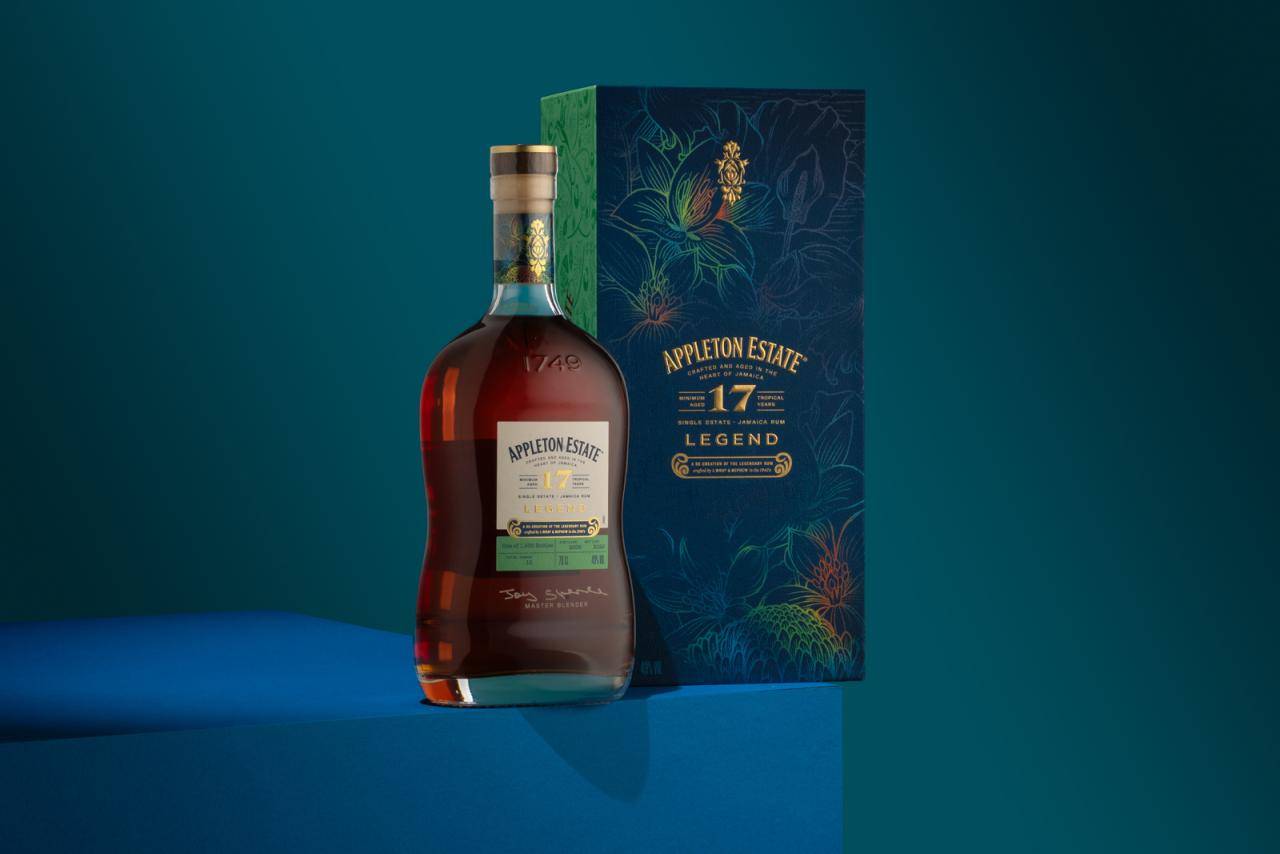
No modern history of Appleton Estate would be complete without mentioning Joy Spence.
Spence joined Appleton Estate in 1981 as Chief Chemist and went on to become Master Blender. In 1997, she became the first woman to be inducted into the Rum Hall of Fame and the first woman to hold the position of Master Blender in the spirits industry.
Her career has become closely associated with Appleton Estate's modern identity and its reputation for premium aged rum.
Spence's work also illustrates the continuity between Appleton's historic production traditions and its contemporary approach. The brand's story is not simply about preserving an old way of making rum; it is about combining that heritage with expertise, experimentation and a commitment to quality.
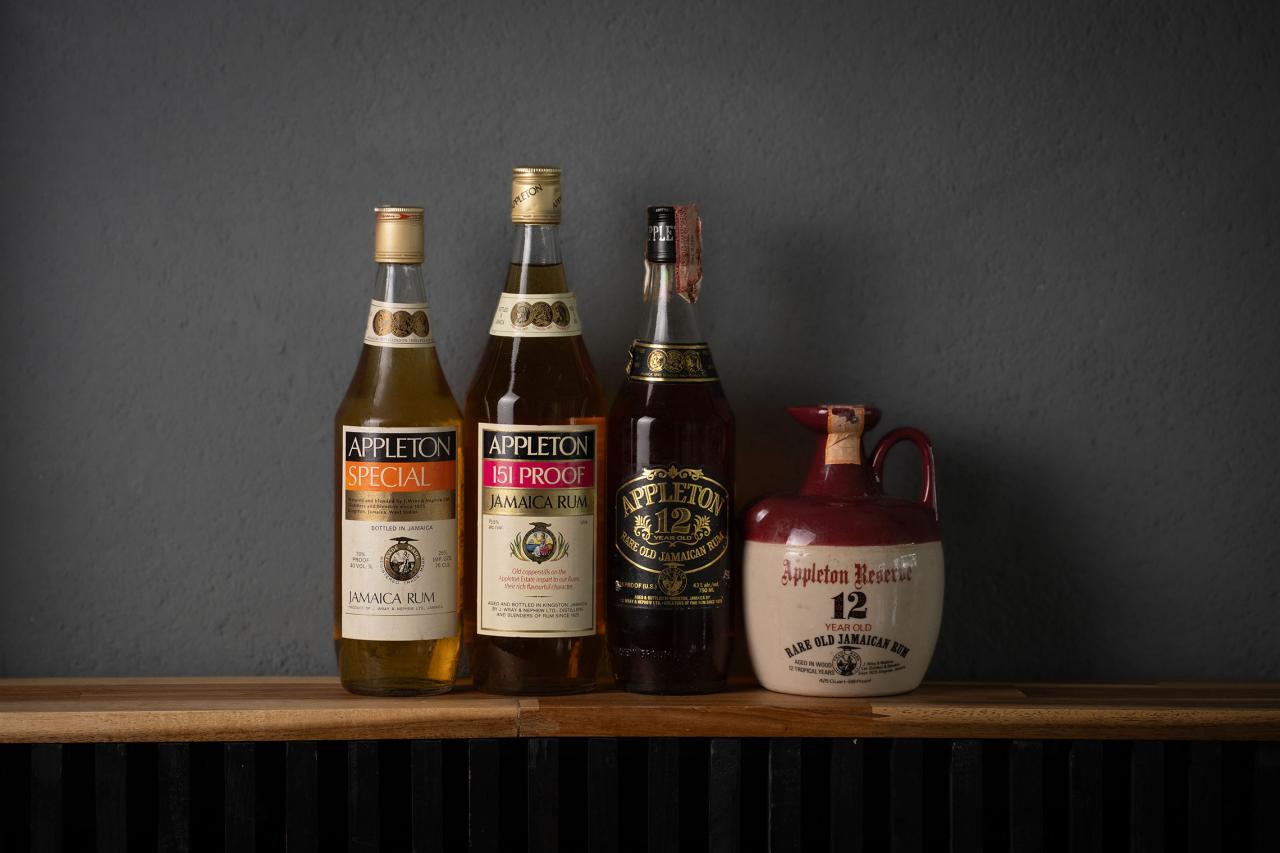
The 1970s and 1980s were an important period for Appleton and Jamaican rum. Bottles from this era can look quite different from the polished, globally marketed releases associated with Appleton today. Labels, bottle shapes, strengths and expressions reflect the drinking culture and rum market of their time.
Vintage bottles can preserve a snapshot of how a spirit was produced, bottled and presented decades ago. They can also provide insight into changing definitions of rum, historical proof systems and the evolution of a producer's range.
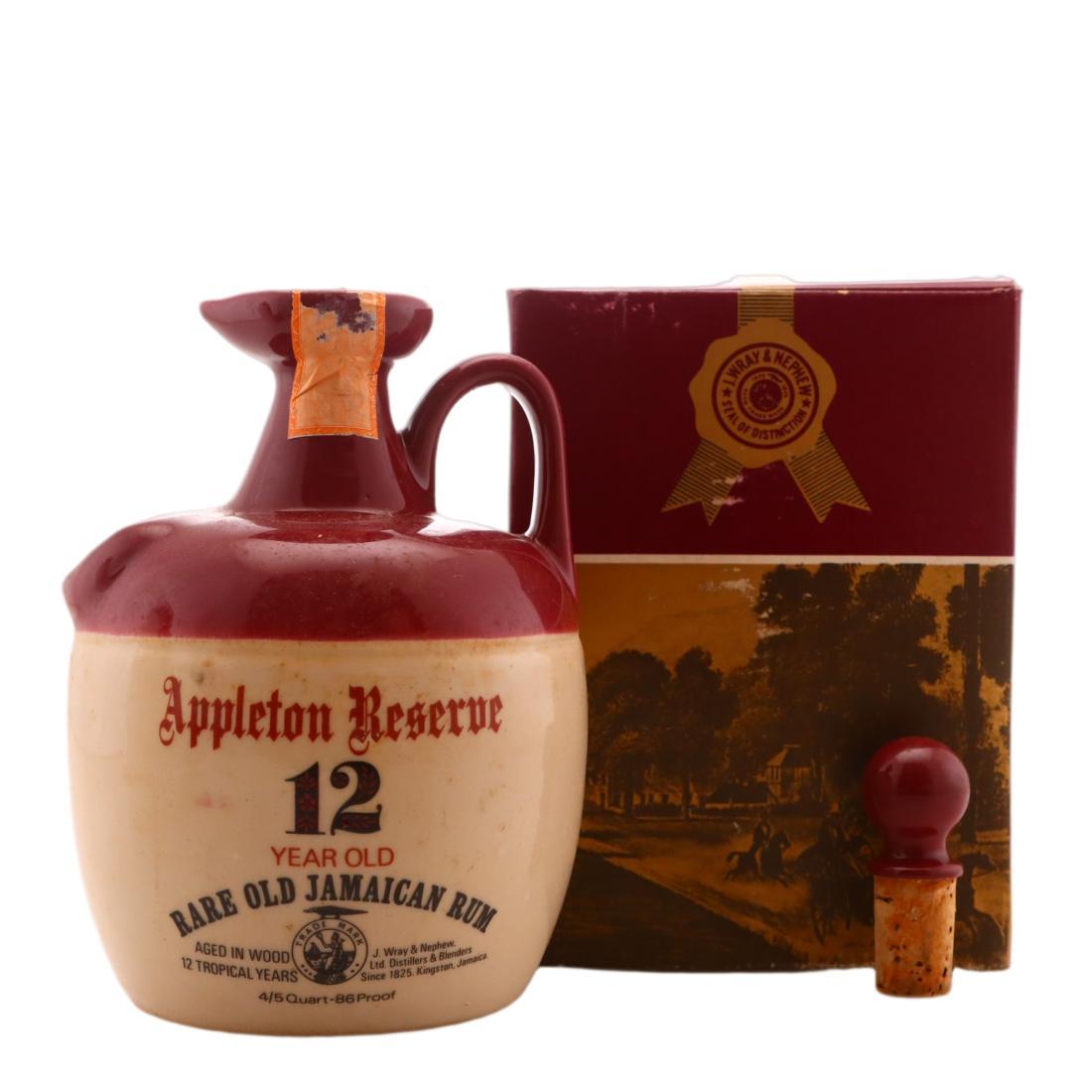
Take for example this Appleton 12 Year Old from the 1970s. Bottled at 43%, it represents an earlier incarnation of a style that would become associated with Appleton's aged rum range.
Another example is this Appleton Reserve 12 Year Old Decanter, also from the 1970s, at 86 US proof. The decanter format is a good example of how premium rum was presented in previous decades. Rather than simply being a vessel for the spirit, presentation was an important part of the identity of many historic releases.
Also note this Appleton Special from the 1970s, bottled at 70° proof, or this Appleton 151 Proof Litre from the 1980s, bottled at an impressive 75.5% ABV. The litre format and high strength of this bottle make this a particularly distinctive vintage bottling.
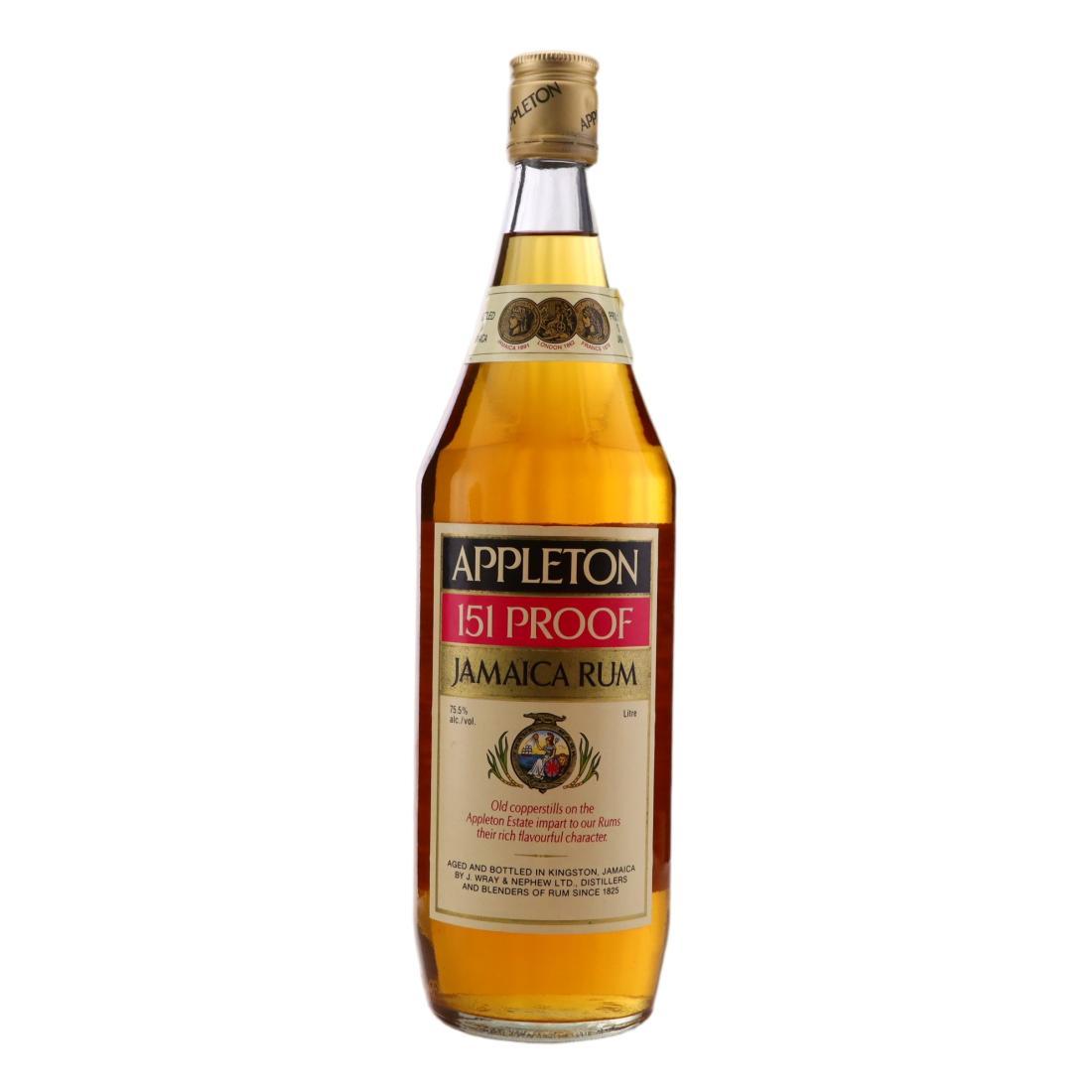
The opportunity to see several of these older expressions together is particularly interesting because it allows collectors to compare different formats and strengths from the same broad period. For anyone interested in vintage Jamaican rum, these less frequently seen expressions can be particularly rewarding because they help build a more complete picture of a producer's historic range.
Historic Appleton bottles offer an opportunity to explore Jamaican rum beyond the modern core range.
They can reveal how expressions, labels, bottle designs, strengths and age statements have changed over time, while also providing a tangible connection to the history of J. Wray & Nephew and Appleton Estate.
Most importantly, though, vintage bottles provide a way to experience the history of rum itself.
A 1970s Appleton is not simply an old bottle of rum. It is a product of a particular moment in Jamaican distilling: bottled decades ago, under a different market, with a different presentation and a different place in the global rum industry.
August's auction offers a rare opportunity to explore several historic Appleton bottlings together, spanning the 1970s and 1980s.
From the 1970s Appleton 12 Year Old and Reserve 12 Year Old Decanter to the Appleton Special and 1980s Appleton 151 Proof Litre, the selection offers a fascinating snapshot of Appleton's past.
For collectors of Jamaican rum – or anyone interested in the history of one of the world's great rum-producing estates – these bottles are worth a closer look.
Discover and bid on unique, rare and collectible rums in our online auctions each month.
Our global rum auctions give your bottles the attention they deserve. Get started with a free valuation today.